Wednesday, November 26, 2014

Preparing for a Winter Storm


Although being stuck inside during a winter storm for an extended period of time is not likely, it is important to be prepared for anything. Just like many people keep a survival kit in their car, it is a good idea to keep one in your house, as well. This list of items is sure to keep you comfortable during your time inside!


Blankets/Warm Clothes
Make sure that you have plenty of blankets and layers of clothing easily accessible in your home. If the heat in your house stops working, it is important that you have another way to keep your body warm. Your blankets should be stored in a place that everyone in your home is familiar with.

14830800736_25c41938e1_o.jpg
Wearing layers is another way to keep your body insulated. Layers are very easy to take off if you are warm enough, but if you do not have them, it can be difficult to get your body temperature back up.

2273204360_1ba828fff1_b.jpg
Water/Food

Water is another very important means of survival. If the ground is cold enough, the pipes in your home can freeze. This means that there would be no source of water in your home. Stock up on cases of bottled water or gallon jugs that can be stored in a closet or basement of your home, just in case.

5233546960_ac22d0bcbd_o.jpg
Food is also an essential. Non-perishable food items are a good option that can be kept without refrigeration and will last for extended periods of time. This is good if you were to create a survival kit in a specific area of your home.

Candles/Matches

Most people rely solely on electricity to get us through the day. It can be easy to forget that during a storm, power can be lost. Keeping candles, along with matches to light them, as a source of light, and also a small amount of heat, when sitting inside during the storm.

3984413077_ea704f4f84_o.jpg


Although we hope that no one gets trapped inside this winter, we wanted to remind you of the importance of being prepared. Hopefully this list gave you some reminders to stock up the next time you are at the store! Remember, if you do not want to shovel after the winter storm, let us do the work for you!

Tuesday, November 4, 2014

Snow Activities

Shoveling snow has been a chore in Minnesota for as long as any of us can remember. In order to get cars out of the driveway after a night-time snowfall, we must bundle up and grab our shovels. The piles of snow of the side of your driveway are a reminder of the early mornings and long hours spent walking with your shovel, but those piles can also be the staple for fun, family activities.

Build a Fort

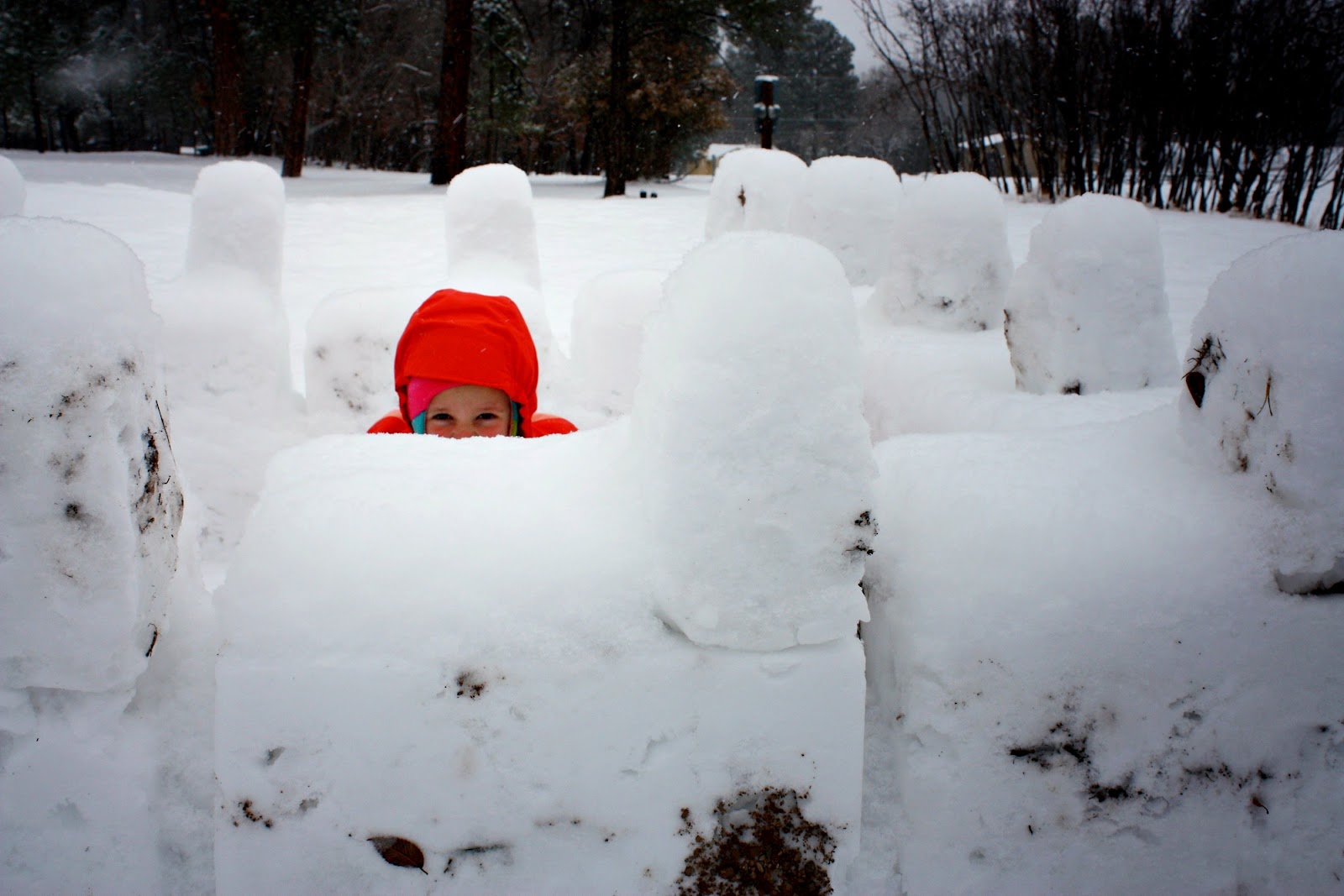
With the sides of your driveway housing the most snow in your yard, it is the perfect place for you, along with your friends and family, to build a snow fort. Snow forts can range for as little as digging a trench, to as in-depth as creating a snow castle.


Check out these elaborate snow castles!

Have a Snowball Fight
A snowball fight is a fun event for people of all ages. You don’t need a lot of snow, or a lot of people, to have a snowball fight. You can spontaneously throw the first snowball towards one of your friends or loved ones, or take the time to plan teams and organize a full event with your friends and neighbors. You can also utilize the fort you may have created on the side of your driveway!


Use as a Blank Canvas

Snow paint is easy and inexpensive. A squirt bottle, some food coloring, and water are the only things you need to send your kids out for some artistic fun. Here are the full instructions!


Now that you know the snow of the side of your driveway is not just a reminder of your time shoveling, but also a place for fun with your family and friends, take advantage of it! You can also let us do the work for you! Visit our website to see what we can do to take your shoveling time down to zero!


Tuesday, October 7, 2014

Making The Most Of Your Winter

The winter months in Minnesota have proven to be unpredictable. There are years where we are ‘Dreaming of a White Halloween?’ and also years that we have the luxury of enjoying a brown (and slushy) Christmas. The sunlight fades earlier day after day, only leaving a small window of time to enjoy the beauty that surfaces after the snow falls.

The first snowfall each year brings excitement, holiday anticipation, and of course, the feeling of horror when you realize you have no idea where your shovel is, and you are already five minutes late to work.

That is where we come in.

According to St. Cloud State University Weather, the 2013-2014 winter season had 54.3 inches of snow. That number falls into the 3rd highest snowfall on record for St. Cloud, falling behind the 1968-1969 season with 60.8 inches, and the 1936-1937 season with 73.0 inches.

At Ehlinger, we automatically clear your driveway after any 1” or greater snowfall- no call needed. We charge a flat rate every season, no matter how many times it snows.

Can you imagine the possibilities?

Here are three things that you can do with the extra time you will have if you do not have to shovel this winter.

1. Make a Snow Angel… (or teach your kids how to create the perfect imprint.)

There is something about lying in the snow and waving your arms and legs that creates pure happiness.


2. Hit the Snooze Button

Give yourself that extra five minutes of rest. You deserve it!


3. Bake your Favorite Holiday Treat

Try one our favorites!

Candy Cane Popcorn


Chocolate and Peanut Butter Crackers


If the extra time could help you make the most of your winter, check out our Snow Removal page and make sure to enter our contest to win FREE Residential Snow Removal for the 2014-2015 season! Registration closes on Monday, October 13, 2014! Good luck!


Wednesday, July 23, 2014

Caring for Your Lawn in the Summer Sun

Can you believe it? It is almost August already! That means the days are long and the temperature is climbing! Your lawn needs special care as it heats up to keep it green. Can you imagine what it's like sitting out there in the blazing sun all day? While it’s not hard to keep your lawn happy in the heat, there are some basics that you should know.


Water in the Morning: Here’s a tip that’s pretty common but it is also very important. Watering in the morning is ideal because it is cooler in the morning. This allows more water to be absorbed rather than just evaporate away. Definitely avoid watering in the evening when not enough water evaporates and disease is most likely to develop on the wet lawn.


Don’t Overwater: Overwatering can also lead to disease. When too much water sits on the lawn and doesn’t evaporate, it creates the prime wet conditions for disease. Overwatered grass also has shallow roots making them more susceptible to heat. A good rule of thumb is to water about an inch to an inch and a half once a week.


Keep Grass Longer: Yes, we know you love a clean, short cut lawn. Don’t worry, you don’t have to let your lawn turn into a forest, but it is healthier for grass to be slightly longer when it is hot. Keep grass about 3 inches tall during very hot times. Like all plants, grass has a crown where new growth comes from. By keeping the lawn longer, the blades shade the crown and protects new growth. Longer grass also shades the soil, allowing less drying.

Utilize Clippings: Instead of bagging the clippings after you mow, consider letting them hang around a bit. A layer of grass clippings retains moisture in the soil and actually fertilizes the grass. Be careful with this because wet or long clippings actually smother the grass.


With careful attention, your lawn can stay green during the hottest month! Have an idea about summer lawn care? Lets us know!


Monday, June 30, 2014

Five Fail-Free Fertilizing Don’ts


As the weather warms up people want to spend time outside enjoying the outdoors on their lawn. Many people attempt to groom their lawn to the perfect green carpet by fertilizing. Oftentimes, people make mistakes with fertilizing that actually hurt their lawn. If you’re looking to maximize your fertilizing efforts, here are some things to avoid in the process:

DON’T fertilize without doing a soil test: It is always smart to do a soil test before you begin fertilizing. Applying the wrong fertilizer for your lawn’s needs can do more harm than good. The soil test measures the nutrient status and pH of the soil. Home Depot.com states that most grasses perform best when the pH level is within 6.0 and 6.5. Once you have tested the soil using a simple soil tester, you can determine what type of fertilizer your lawn needs.

DON’T forget to aerate your lawn first:
According to LandscapingAnswers.com, it is extremely important to aerate your lawn before you spread fertilizer. Aerating is the process of removing small bits of soil from your lawn to help break up compact soil. Once aerated, there will increased airflow within the soil and will allow the fertilizer to reach the grassroots better. There are several different tools for aeration. Find which one works best for you here.


DON’T over fertilize: Applying too much fertilizer can burn the lawn, so can fertilizing too frequently. Most lawns need to be fertilized consistently once or twice a year. Figuring out the right balance for your lawn can be tricky so if you’re not sure how much fertilizer you will need, use this fertilizer calculating tool from Better Homes and Gardens.

DON’T mix fertilizer with weed or pest killer:
Don’t use a poison unless you know you really have a problem. If you do, never mix it with fertilizer, says the Massachusetts Master Gardener Association. When you mix the poison and fertilizer it is easy to apply too little or too much of the mixture. If you apply too little poison you increase the chance of breeding poison resistant pests. Always be sure to apply the fertilizer and poison separately. It may be harder but the extra step will pay off.


DON’T skimp on using a good fertilizer: If you’re taking the time to fertilize your lawn, opt for a high quality product. LandscapinAnswers.com suggests using a fertilizer that releases nutrients over time. Using this fertilizer gives a continuous release of nutrients to your lawn.

Fertilizing on your own can be tricky but with these Don’ts in mind, you are on your way to a lush lawn! If you’re feeling unsure of how to care for your lawn, contacting experts like the pros at Ehlinger can be the best choice.

Tuesday, June 24, 2014

The Importance of Weed Control


weed
wēd/
noun: weed; plural noun: weeds 

1. 
a wild plant growing where it is not wanted and in competition with cultivated plants. 


There are two keywords in that definition: “not wanted”. Weeds are major nuisances and there really is no convenient or easy way to [permanently] get rid of them; however, it’s very important that you try, and here’s why:


1. They rob your soil and your plants of important nutrients, water, and sunshine, which can reduce the survival and growth of plants.

2. Some weeds release chemicals from their roots that are harmful to surrounding plants.

3. They can directly reduce profits by hindering harvest operations and lower crop and plant quality.

4. They may harbor insects and diseases and produce seed or rootstocks, which infest the field/garden and future crops and plants.

5. Weeds can be poisonous, distasteful, and physically harmful.

6. They provide hiding places for insects and serve as a source of vegetable diseases.

7. And finally, they can kill a gardener and farmer’s enthusiasm. 


If weeds are an ongoing problem for you, please contact us. Our treatment and maintenance programs have proven to reduce weeds.

Learn about our 5 Step Fertilizer Care Program here: http://bit.ly/1fu1p9x